How to Choose a Stretch Ceiling Profile: Selection Guide
Profile selection guide for stretch ceilings: mounting method (wall or ceiling-mount SU profile),






09.07.2025 | Installation Guides, Profiles for Stretch Ceilings

Aluminium profiles for stretch ceilings are the backbone of a stretch-ceiling system: their rigidity keeps the membrane smooth for years. The COMFORT series from 2K-Trade includes five variants – three wall profiles (COMFORT 130, COMFORT HARD, COMFORT 200) and two ceiling-mounted versions (COMFORT-SU 130, COMFORT-SU HARD). This guide covers minimum wall thicknesses, profile height, recommended applications, accessories and the PH4 trim gasket, plus practical drilling rules, so you can select the basic profile for a stretch ceiling suited to a bathroom, hallway or banquet hall.
Unlike gypsum, a PVC membrane is permanently tensioned by dozens of kilograms. A profile with walls that are too thin can bow slightly during installation, causing waves in the foil and light gaps where the wall profile for a stretch ceiling meets the plaster. An oversized profile, on the other hand, increases cost and drilling time. The COMFORT line forms a clear stiffness ladder: COMFORT 130 (thinnest wall) → COMFORT HARD (medium) → COMFORT 200 (stiffest). The stiffer the profile, the better it holds the membrane tension on long straight runs, in large rooms and with heavier membranes – the stiffness grade is chosen by the installer who assesses the specific object, not by a square-metre table. SU versions offer the same cross-sections but fix to the slab – useful when walls are brittle, uneven or room height is limited.
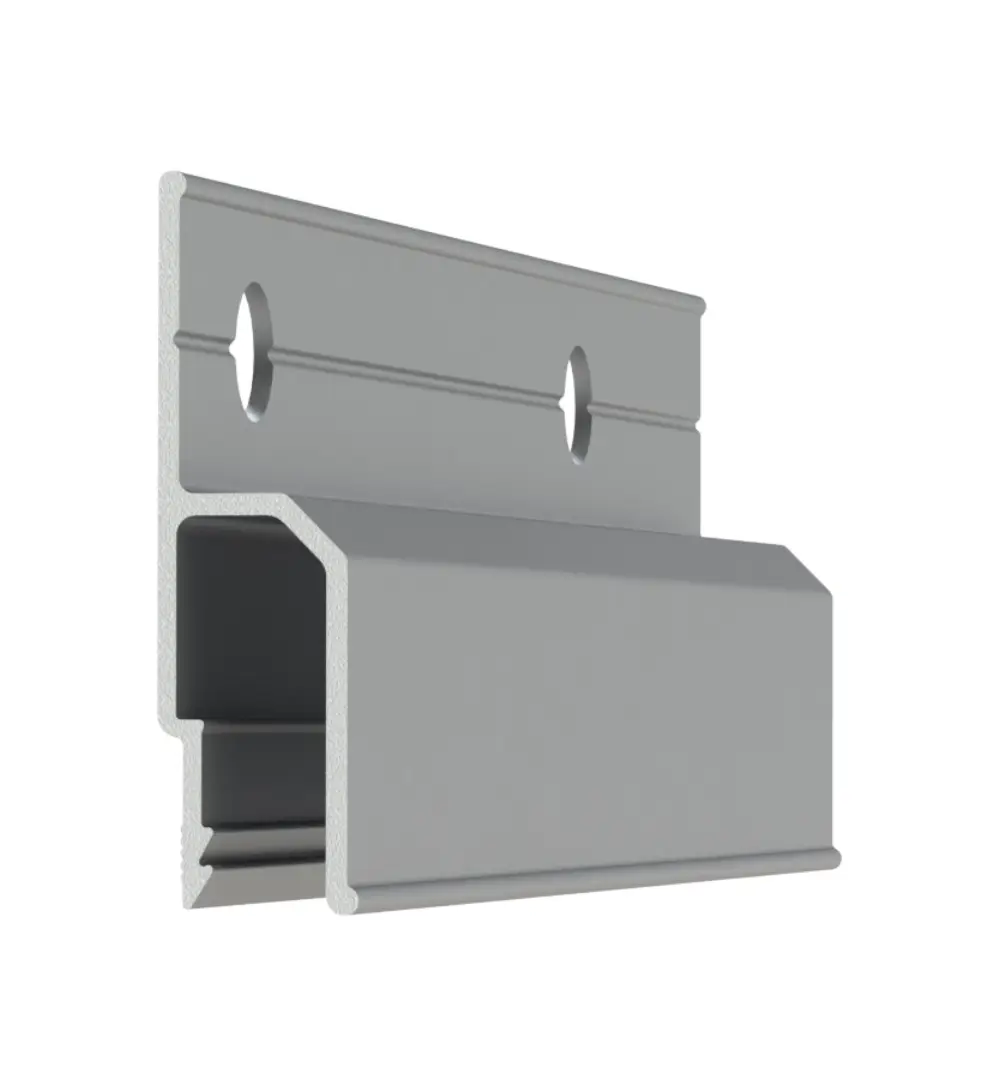
The number in the name is approximately the mass of one running metre in grams (COMFORT 130 ≈ 130 g/m), not the ceiling drop – the height of COMFORT wall profiles is similar whatever the variant; they differ in minimum wall thickness and stiffness. In the GAMMA and GK LINE IN LED profiles, by contrast, the number is the approximate width of the light line in millimetres. All COMFORT profiles are sold in 2 m lengths.
All profiles work with the flexible PH4 trim gasket (white, black, grey, light and dark brown) that hides the installation gap and delivers a clean wall-to-membrane finish.
Surface area in square metres is not a selection criterion by itself. What matters is the force the profile will carry: the length of straight runs, the size of the room and the weight of the membrane. In small and typical residential rooms COMFORT 130 is enough; on long straight runs, in large, wide rooms and with heavier membranes we go for COMFORT HARD or COMFORT 200. The final decision is made by the installer for the specific object.
The pre-drilled Ø 6 mm holes in the wall profiles speed the job: use a 6 mm wall plug and a 3.5 × 35 mm screw (aerated block) or 3.5 × 40 mm (concrete ≥ C20/25). Into timber or steel, fasten with a self-drilling 3.5 × 55 mm screw without plug, guided by the shallow centring groove in the flange.
COMFORT profiles are made of rigid aluminium. Curves are achieved by slitting the mounting flange every 1–2 cm (mitre-saw angle 90°) and gentle hand bending. An angle grinder is faster but needs deburring afterwards; a circular saw gives the cleanest cut.

The flexible PH4 trim gasket in white, black, grey or brown closes the 3–4 mm installation gap and delivers a jointless wall-to-membrane look without masking strips. Fit after the membrane is tensioned, starting from the corners.
Small room, sand-lime block walls. COMFORT 130 with 6 × 40 mm plugs, 3.5 × 35 mm screws. PH4 white matches the tiles.
Long corridor. COMFORT HARD chosen for wider drill spacing – pre-drilled holes every 80–100 mm.
Large, wide hall with long straight runs. COMFORT 200 maintains rigidity all round; the thicker wall limits micro-deflection while inserting the harpoon.
COMFORT 130 every 5–6 cm; COMFORT HARD and all SU versions 8–10 cm; COMFORT 200 10–14 cm. In timber you can screw directly via the centring groove without pre-drilling.
No – COMFORT 200 is the stiffest profile; for curves we segment or use the more cut-friendly COMFORT 130.
COMFORT profiles are normally raw (unpainted), as they are hidden above the membrane. Painted versions in white (RAL 9016) and black (RAL 9005) are available in the CLASSIC series.
Fixing to logs? Choose COMFORT-SU 130 or COMFORT-SU HARD and screw 4.2 × 55 mm directly into the rafters – stable support without wall drilling.
Choosing the basic stretch-ceiling profile comes down to two decisions: fixing method (wall or slab) and the required stiffness grade. COMFORT 130 and COMFORT-SU 130 cover small and typical rooms, COMFORT HARD and COMFORT-SU HARD rooms that call for a stiffer profile, and COMFORT 200 long straight runs and large rooms – the installer makes the assessment. Each variant is completed with the PH4 trim gasket and 3.5–4.2 mm screws. Stretch-ceiling profiles from the COMFORT line are the basis of classic wall and ceiling installation.
Author: MB 2K-Trade
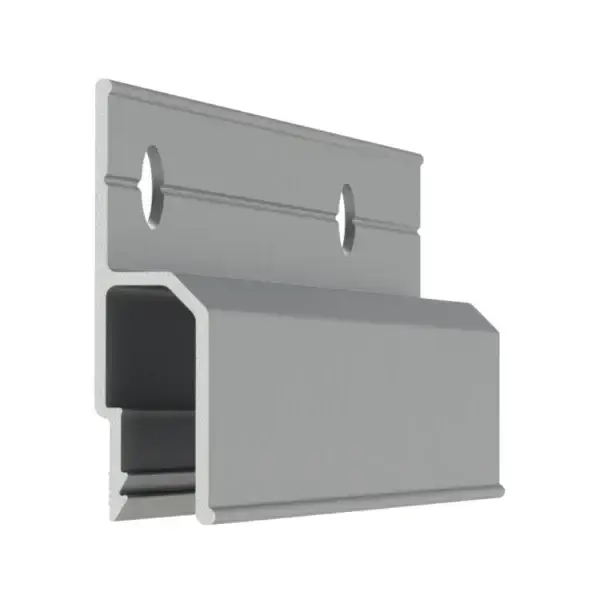
Profile selection guide for stretch ceilings: mounting method (wall or ceiling-mount SU profile),
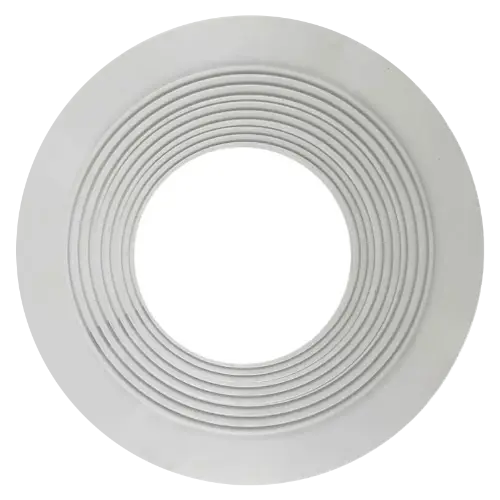
Practical guide to stretch ceiling accessories and tools: platforms, reinforcing rings, harpoons, gaskets,

Wafer head screws: applications in stretch ceiling installation and lightweight steel construction, sizes